Wednesday, March 23, 2011

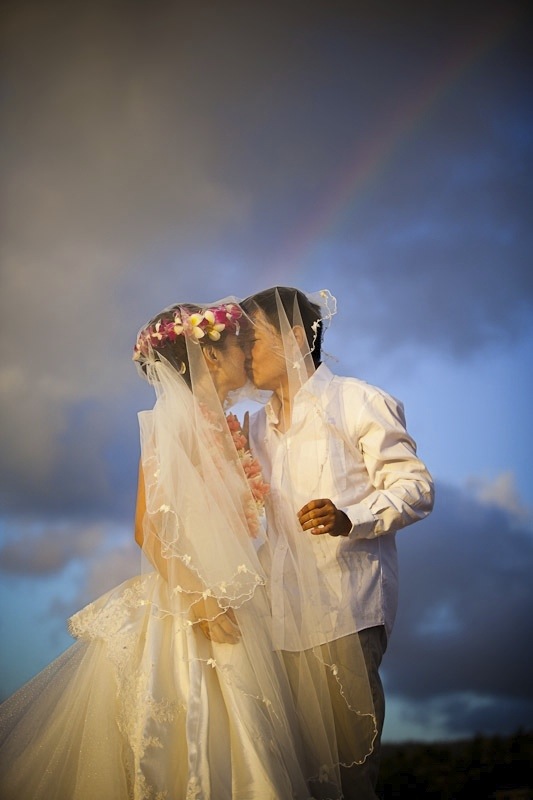
Laie LDS Temple Wedding-- Peter and Aileen


I have to be the worst blogger of any photographer I know but sooner or later I do get around to blogging. In a very random haphazard manner. Here's a few pics from a December wedding shot at Laie LDS Temple on the North shore of Oahu. Thanks Aileen and Peter-- I had a great time.


Sunday, March 20, 2011

I love Lowepro

Just had my Dryzone camera backpack replace for free under Lowepro's lifetime warrantee. Having some zipper issues.

Got to love that. In my 20 years of shooting I've had a ton of their bags.

Lowepro.com


Tuesday, January 04, 2011

Inspirational photographers

One of the first photographers I fell in love with was Richard Avedon. He was a fashion photographer in New York who did some really beautiful portrait work. His book of portraits entitled "In the American West" impressed me a lot when I found in my second year of college. I miss being near a college with a large collection of great photo books. I just did a quick search on ebay for copies of the book and found them going for about $200. I love the internet because you can quickly find all kinds of photographers to inspire you but you really miss a lot of the nuances of photography that you can get from a really well produced photo book. I have a 30 inch monitor with a little over 4 million pixels but it doesn't compare to the detail you find on a large photo book.


Tuesday, December 07, 2010

Favorite portrait lens

My favorite lens is my Canon 50mm f1.2. When people talk about lenses they always talk about two things-- the focal length and the aperture. The focal length (50mm) determines the angle of view or the magnification of the subject. A 50mm lens sits right in the middle of the range-- not much magnification and not a particularly wide field of view. The second part of the lens description is the aperture-- in this case f/1.2. The aperture controls the amount of light let in the lens. The smaller the number the more light the lens lets in. Larger apertures also create a smooth blurry background behind the subject in focus. That is actually my favorite part about this lens. It's very flattering for portraits. When you put this lens on a 5dII like the one I use for all my weddings you can shoot all the way through the reception without turning on the flash. It's a great lens for shooting in a church where flash photography is off limits.


Friday, November 19, 2010

Blog Ideas

I've got a lot of friends and relatives with great blogs (Kitchen Corners and Little Foodie) and I've been getting some good advice from them about my blog but now I'd like to ask my blog readers what direction the would like to see my blog go. Any feedback at all will be greatly appreciated.

Some questions I have . . .

  • Should my photography advice be more or less technical?
  • Any particular types of photography that you are interested in and want a specific how to about?
  • More weddings? More family pictures? More kids? More engagement or modeling shoots?
  • Any specific kind of wedding photos you want to see (I shoot about 50-60 weddings a year and I only end up blogging a quarter of those.) I think I have seen it all (well maybe almost all. :)
  • Any particular wedding location? I think I have shot at 85% of all the spots on Oahu.
  • More landscape photos? I have so many unblogged landscape photos.
  • If you are out there waiting for the next print give away let me know if there are enough of you I'll get one of those organized shortly.
  • Do typos bug you? Should I spent more time proof reading?
  • Are you a wedding client who would love to see your photos on the blog? Let me know and I'll post them. :)


Monday, November 15, 2010

Todd and Julie -- Turtle Bay, North Shore Oahu wedding


Thursday, November 11, 2010

JD and Lisa-- north shore Oahu


Thursday, November 04, 2010

Just got some questions from a photo student

I wrote this back. . .

1. Why is photography important?

Each person who answers that question would answer a little differently but for me photography is important because it takes you to places you've never been. I love almost any photo that is older than 50 years because I like to feel like I have glimpse into the past. I like to think about how my photos will be viewed in 50-100 years. And when I am shooting something like a waterfall I can print that and put it one my wall. I can't go to my favorite waterfalls everyday but I can look at the picture anytime.

2. What captures the viewers' attention?

Bold color or contrast. Smiles, beautiful eyes.

3. What are the traits of a good photo?

There are a million ways to take a good photo. For me the best have an honest feeling-- something true to them. I guess I'm not too interested in photoshop for that reason. Also-- I love photos that have a good yin yang feel-- some parts sharp, some out of focus.

4. What are tips to keep in mind while in the field?

When you are out shooting just have fun with it and don't let anything stifle your creativity. Shoot from every angle. Interact with the subjects. Look for great light. If you see something you like while you are driving around pull over.

5. What makes a photo memorable?

Catching a fleeting moment is always memorable. Also-- zooming in on a detail that would otherwise go unnoticed can lead to a memorable photo.

6. How does each setting/feature of a camera affect a picture?

With a camera there are really two main settings that affect your work-- aperture and shutter speed.

I always recommend getting yourself a lens with a wide aperture like a 50mm 1.8 (about $100). That way you can see what it's like to have blurry backgrounds. You can also go the other way and set your camera at it's smallest aperture and experiment with extremely sharp photos.

Shutter speed is another way to get unusual effects. Set your camera on a tripod and set the shutter speed to 10 second at night and notice the blur of moving objects.

Or set your shutter speed to 1000th of a second and take pictures of water drop suspended in air.


Tuesday, November 02, 2010

5 wedding photography tips

  • Try some open shade for your group shots. Cameras can't quite capture the whole range of tones that the eye can see. If part of your subject is in the light and part of your subject is in shadow you will most likely end up with black shadows obscuring something important. This effect can be used for creative purposes but you should avoid it for simple portraits. If the shady area used for group shots and portraits has a sunny area nearby that is reflecting light in it creates an even more pleasant look.

  • Take lots of detail shots. If you have a break from the main wedding action take that time to get some close ups of any of the wedding decorations. It's not hard to get a great shot. Make sure to turn of the flash though-- close up photography almost always looks better without the flash. Also-- shoot the items from 4 or 5 different angles and delete the worst ones. It's not like shooting people-- the objects will wait patiently while you find the best angle and lighting.

  • Natural light beats flash for a pleasing look most of the time. You do want to have an external flash for a simple reason though. There is usually one or two directions to shoot that produce the best lighting. Sometimes you find that you want the direction with the worst natural lighting because you have a perfect composition or something behind the subject that you need to include. That's when the flash becomes invaluable. The built in flashes on your camera are really limited. Flashes that you mount on the camera have so many more options.

  • If you find you are in a reception venue with really bad natural lighting and you have to turn on the flash try aiming the flash at the ceiling and shooting that way. You'll avoid the on camera flash look. Set your flash and camera exposure manually in these types of settings.

  • Mirrors always add an interesting element to any composition.

  • Hold the camera over your head and point down for a different angle. If you are shooting digital you have nothing to loose.

If you need a tip about any specific part of photography just ask me a question in the comments.


Monday, October 04, 2010

What kind of a camera should I buy?

I really recommend that people consider an SLR (single lens reflex) camera. The amount of creative control you get from having so many lens options will really improve your photography. Some of the smaller SLRs don't really weigh that much. If you pick up last year's model used or refurbished you won't have to spend more than $400 which puts you really close to the price of a really nice point and shoot anyway.

Now for the question of which SLR to get. To me that is really not that important. There area a handful of brands of SLRs but Canon and Nikon are used by the overwhelming majority of pros. I am Canon user. I've been shooting Canon since high school. Canon and Nikon have been leapfrogging each other with innovations for decades and you really can't go wrong either way. Both companies understand the needs of pros. Both companies have amazing lenses. There are a handful of Nikon lenses that Canon shooters wish they had access too and there are some Canon lenses Nikon users wish they had.

If you have a limited budget I recommend not spending a ton on the camera body and saving some money for the lenses. If you just stick with the kit lens that came with the camera you are really missing the best part of owning an SLR. Most SLRs come with a small zoom that is wide angle one side and slightly telephoto on the other but doesn't have a wide aperture for low light or smooth backgrounds. You really want to pick up a 50mm f/1.8(or lower if you can afford it.) This lens will totally change the way you shoot with perfect sharp in focus areas and creamy blurred backgrounds. It also frees you from always shooting with a flash when the light gets low. All through the 70's and 80's the 50mm lens was the lens that came bundled with film SLRs and a lot of people took a lot of great photos with it. If I was a camera maker I would start people out with a wide aperture 50mm lens. The 50mm lens gives you pictures that are noticeably more professional looking than anything you would get from a point and shoot.

If you want to know what lens to get after you have the kit lens and a 50mm just ask me a question in the comments.


  © Blogger template 'Photoblog II' by Ourblogtemplates.com 2008

Back to TOP